
By Kyle Tetting
While it hasn’t all been easy across the first half of 2026, markets have again proven surprisingly resilient. The S&P — a particularly broad measure of large U.S. stocks — seemed destined for decline after finishing the first quarter down 4.33%, including dividends.
Such a decline appeared well founded amidst the significant economic implications of the war with Iran. And yet, mere weeks later, investors were shaking off these legitimate concerns to push the S&P back toward positive ground measured from the start of the year. The swift recovery hasn’t been without setback, but stocks transitioned away from the well-founded fears of war in the Middle East without much hesitation.
While the hopes of resolution in the conflict certainly helped, simply returning to prewar norms wasn’t enough to carry stocks to the new heights we saw as the second quarter progressed through April and into May. Instead, the market seemed to shift as a direct result of a quickly improving earnings outlook, one of only two key long-term drivers of stock prices.
Importantly, the strong earnings growth in technology stocks, especially those involved in artificial intelligence, led the way. However, the broader trend outlined businesses benefiting from strong capital expenditures. Real money has been spent to build out the AI future, and that money has been making its way through the economy more broadly.
Beyond earnings, stock prices also trade on interest rate expectations. Here, too, there was the potential for disruption.
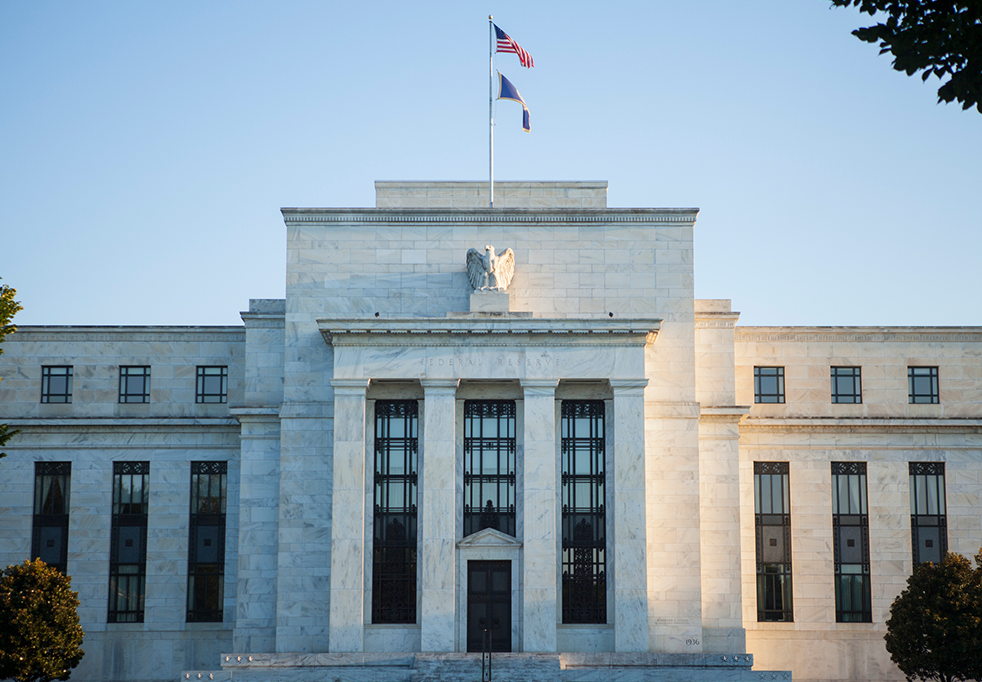
Late June’s loss of Alan Greenspan sits interestingly alongside the start of a new chair at the Federal Reserve. As chairman of the Federal Reserve, Greenspan oversaw the longest uninterrupted economic expansion in American history from 1991 to 2001, aided by the massive productivity gains of a technology boom. Similarly, Kevin Warsh takes his seat at the Fed amidst a broader conversation on a technology boom set to reshape the next decade or more.
For his part, Warsh does appear to be taking a different tack than his predecessors, favoring introspection and simple policy statements rather than forward guidance and detailed descriptions on what the Fed sees in the economy. The introduction of task forces should allow some self-reflection from a Fed that has been in constant crisis the last couple of decades, but so far Warsh has approached the job with a steady hand, and investors have affirmed their confidence in the appointment.
With encouraging earnings across the first half of the year and confidence that the change at the Fed won’t drastically alter expectations for interest rates near-term, investors now appear to have settled into a quieter summer. New developments in any of the above can certainly shift the thinking, but for now investors are left with holiday-shortened weeks and the golf course or beach instead of staring at their account statements.
At the midway point of 2026, the overall market and economy have managed remarkably well, and stock prices reflect optimism. However, as my colleague Adam Baley wrote in his most recent update, “With stocks near all-time highs and valuations stretched, consider reducing risk.”
Risk reduction may seem at odds with optimism, but it’s a reflection of the impact that rising stock prices have had on our allocations. For those who were comfortable with their allocation a quarter ago, the swift rise in stock prices has pushed stock allocations far higher than intended. The resulting action isn’t a desire to hide from uncertainty or higher prices, but to be more intentional in how we choose to allocate and monitor our tolerance for risk.
In short, it’s a reminder of the importance of balance.
Kyle Tetting is the president of Landaas & Company